
As summer fades into crisp air and longer nights, autumn creates perfect conditions for stargazing. Whether you’re seeking solitude beneath the stars or hoping to share the experience with friends and family, this season is an ideal time to venture outside, gaze upward, and embrace the magic of stargazing.
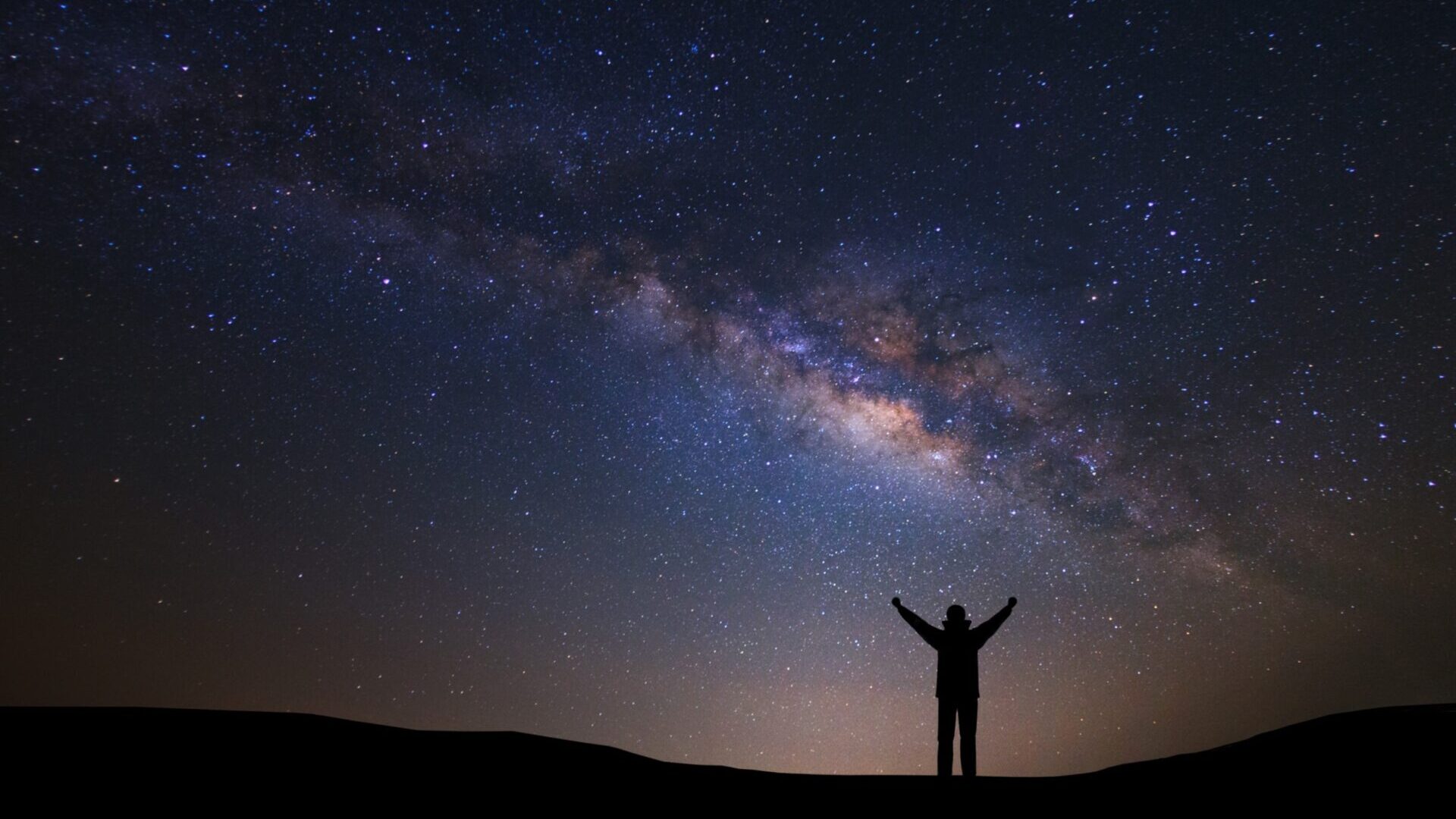
Where to go
Ideally you will need to stay away from city lights and, if possible, try to get high up. Here in South Wales we are lucky enough to be home to one of just a few hundred international dark sky places (IDSP) in the world. Being a designated area of protection, Bannau Brycheiniog (Brecon Beacons) is one of the best stargazing sites in the UK.
When to go
A clear night under a new moon. While the moon is often celebrated for its beauty, its brightness can wash out the faint light of stars. A new moon offers the darkest sky and therefore the brightest stars. You can find out upcoming phases of the moon here.
What to wear and take
Wrap up warm and take some extra layers as clear skies mean cold skies. You might want to take a blanket to lie on and a flask of hot chocolate too! You don’t need a telescope for your adventure; there’s plenty to see with the naked eye. If you happen to have a pair of binoculars though, it can be fun to look for a bit more detail with these. A star map or stargazing app will help you find exactly where to look for specific constellations. It’s worth bearing in mind though, that the glow from your phone or a torch will affect your night vision so, if possible, use a red setting or filter on these devices.
What to look for
Polaris (the north star) can be seen any time of year from anywhere in the northern hemisphere. You can locate Polaris easily by using Cassiopeia (Queen of the northern sky) or Ursa Major (the great bear, of which The Plough is the most easily observed part). Check out our video on how to do this.
Having found north, you can now look to the east and locate some royalty in the form of an ancient greek soap opera, rising soon after dark in the autumn. You can also use our printable guide here to help you.
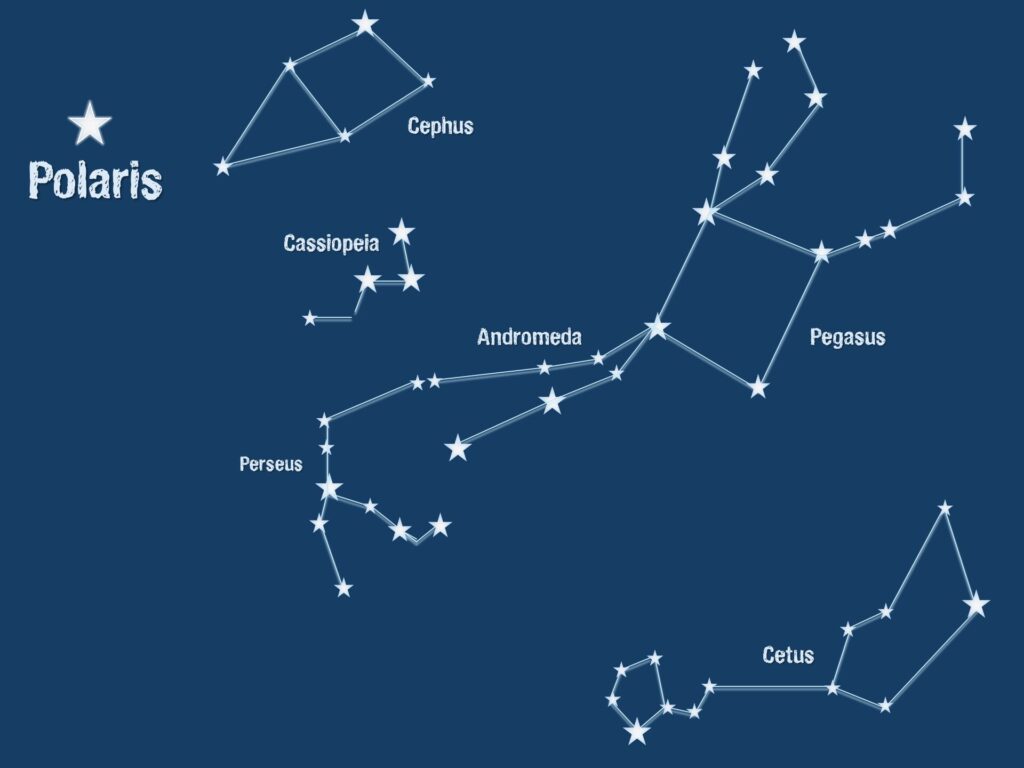
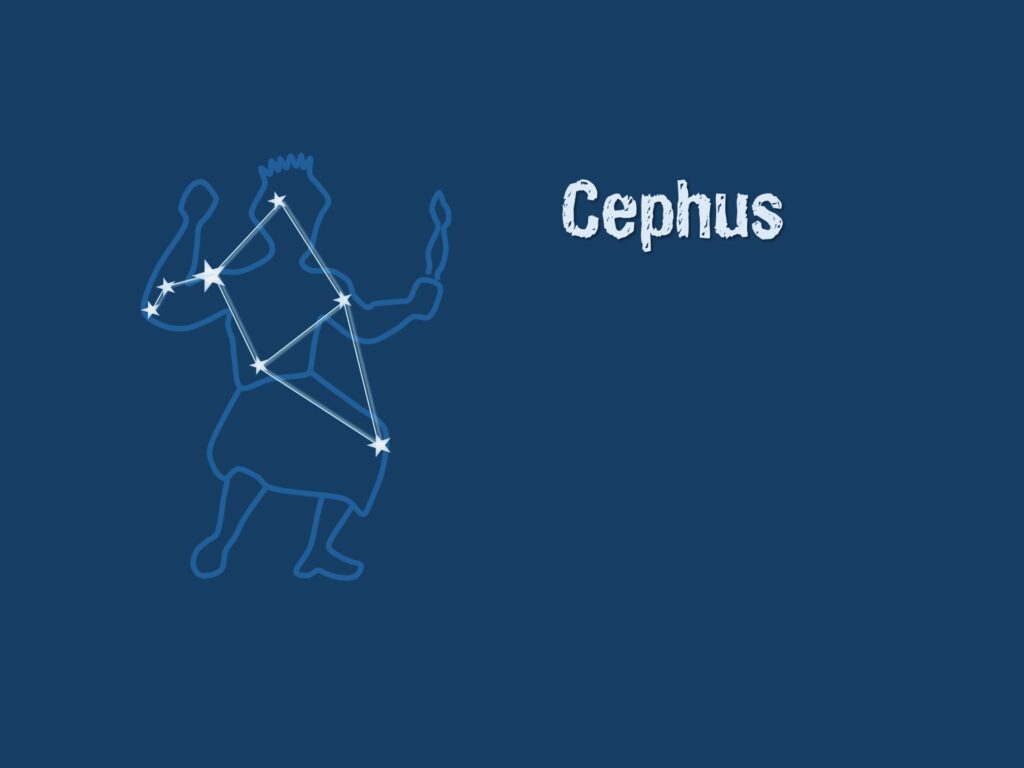
In Greek mythology Cassiopeia was queen of Aethiopia, between her and Polaris you can locate her King – Cephus. Cephus is made up of 5 stars in the shape of a house. Start by looking at Cassiopeia so the ‘W’ looks more like an ‘E’. If you go back to the imaginary line from Ursa Major to Polaris, continue this line to a star, level with the top of the ‘E’. This is the top of the house-shaped constellation of Cephus.
Using Queen Cassiopeia we can locate her daughter, Princess Andromeda – The Chained Maiden. Andromeda is best known for the Andromeda galaxy which sits within its boundaries. Looking back at the ‘W’ of Cassiopea, see it as two Vs. Imagine the V on the right is an arrow and follow this to a hazy cluster of stars. This is the Andromeda galaxy. This light takes 2.5 million years to reach us, making it the oldest thing you can see from Earth with the naked eye.
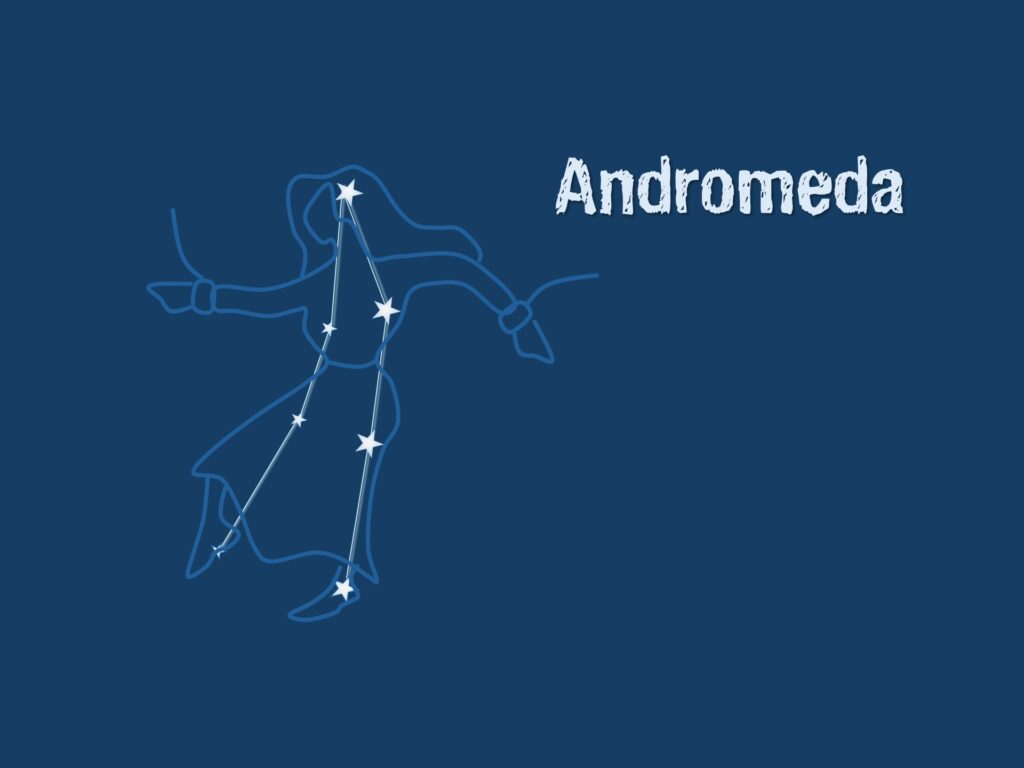
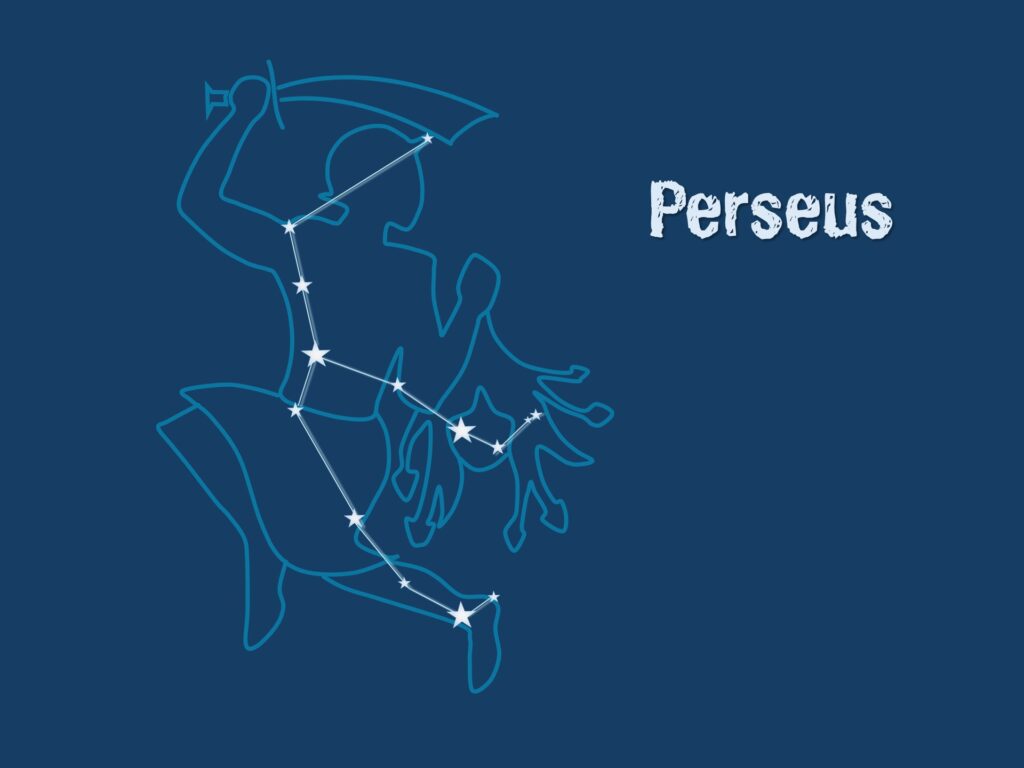
Andromeda was said to have been sacrificed by her parents to the sea god Poseidon, to save Aethipopia from his wrath. She was chained to a rock and was to be eaten by a sea monster. This is where Perseus the hero first saw her, on his way from slaying Medusa. He returned on his winged horse Pegasus to rescue her and took her as his wife and Queen of Greece. Andromeda the constellation shares a star with the great square of Pegasus, a huge box of four stars making up the main body of the winged horse. The corner star of the great square closest to the Andromeda galaxy is essentially Andromeda’s head. Two streams of stars from this make a long V shape of her body. The star in the opposite corner of the great square is the start of Pegasus’ neck and a further three stars make up its head.
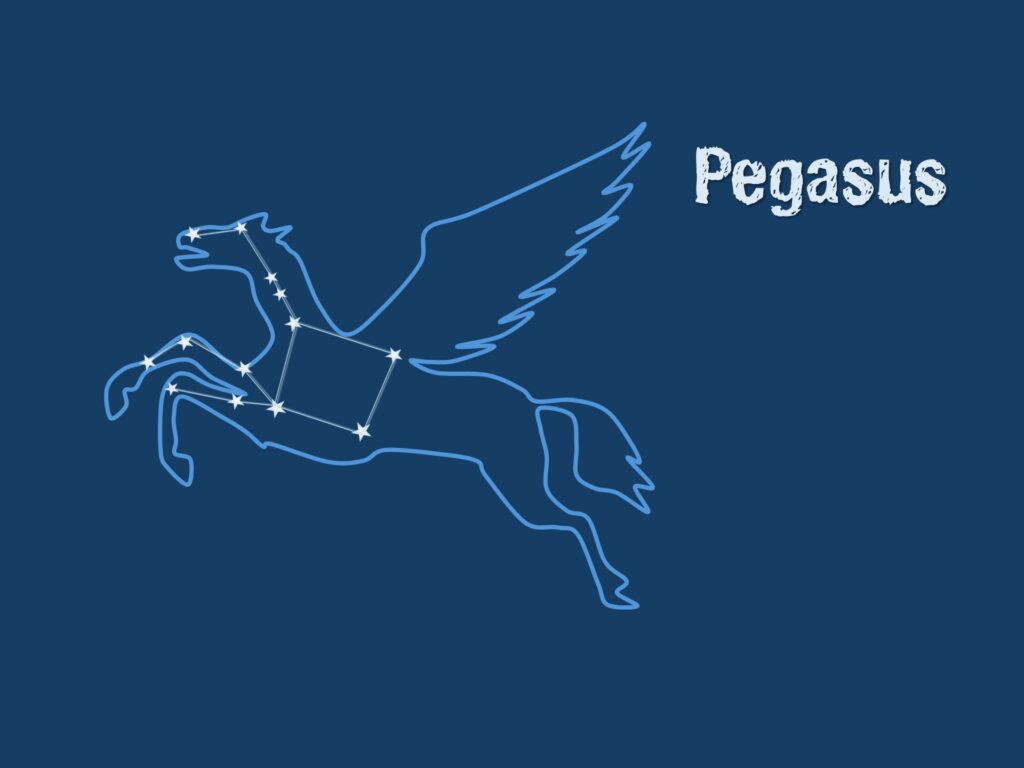
Finally go back and locate the middle star of Cassiopeia. draw a line between this and the bottom star of the shallow V. Continue this line to find the head of Perseus, the hero.
Be patient and stay safe
Now you’re ready for your intergalactic adventure! If you are venturing beyond your garden, don’t be tempted to go too far off the beaten track to find the perfect spot. Remember to always tell someone where you’re going and check in with them on your return.
Happy stargazing!
